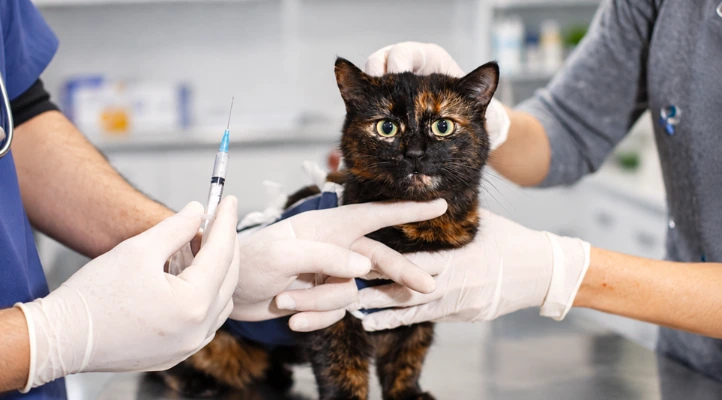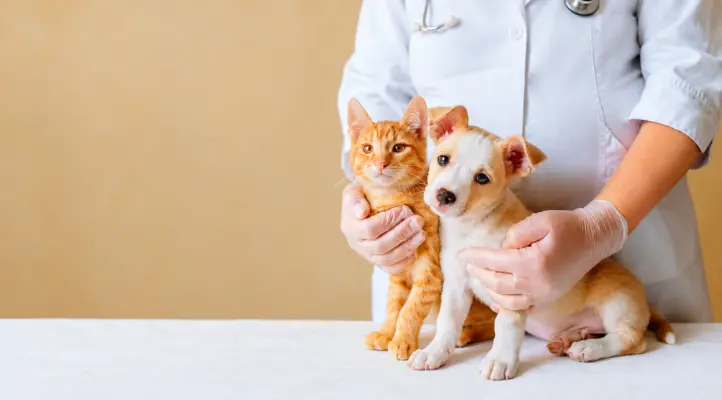
Dogs and cats need core vaccinations to protect against serious infectious diseases throughout their lives. Dogs need protection against parvovirus, distemper and infectious canine hepatitis, while cats need protection against feline enteritis and the viruses responsible for cat flu.
Puppies and kittens generally begin vaccinations at 6–8 weeks of age, with repeat doses during their early months. Adult pets may need boosters at different intervals depending on the vaccine, their health and lifestyle.
At Vet Stars in Ingleburn, we help owners understand which vaccinations are appropriate and when their pets are due.
Dog and Cat Vaccination Schedule by Age
Puppies and kittens need several early vaccinations because antibodies received from their mothers can interfere with vaccine protection. Adult dogs and cats still need ongoing protection.
| Age or life stage | Recommended vaccination guidance |
| 6–8 weeks | Begin core puppy or kitten vaccinations. |
| Every 2–4 weeks | Continue the initial core vaccination series. |
| 16 weeks or older | Give the final early core vaccination according to the recommended schedule. |
| Around 6 months | A further core vaccination may be recommended to address gaps in early protection. |
| Adult dogs and cats | Review core boosters, commonly at annual intervals. |
| Every year | Review your pet’s health, vaccination history and need for additional vaccines. |
These are general recommendations, not a fixed schedule for every pet.
Our veterinarian will recommend the appropriate timing based on the vaccine product, previous doses and your pet’s individual risk.
Which Vaccinations Does Your Dog Need?
Dogs need core vaccinations against three serious viral diseases. Other vaccines may be recommended depending on their lifestyle and local exposure risks.
| Dog vaccination | What it protects against |
| C3 | Canine parvovirus, distemper and infectious canine hepatitis |
| C5 | C3 diseases plus canine cough components, depending on the vaccine product |
| C7 | Broader combination protection, commonly including leptospirosis and canine cough components |
Canine parvovirus is a particular concern in the Macarthur region. It is highly contagious and can cause severe vomiting, diarrhoea and potentially fatal illness, particularly in unprotected puppies.
Dogs that attend boarding kennels, daycare or frequently interact with other dogs may also benefit from canine cough vaccination.
Leptospirosis vaccination may be recommended based on local disease risks and your dog’s exposure to environments where infected animal urine may be present.
We assess your dog’s vaccination history and exposure risks before recommending an appropriate vaccination plan.
Which Vaccinations Does Your Cat Need?
Cats need core vaccinations against feline enteritis and the two main viruses associated with cat flu. Additional protection may be recommended for cats that spend time outdoors or interact with unfamiliar cats.
| Cat vaccination | What it protects against |
| F3 | Feline panleukopenia (feline enteritis), feline herpesvirus and feline calicivirus |
| FIV | Feline immunodeficiency virus, commonly known as feline AIDS |
| FeLV | Feline leukaemia virus, where vaccination is appropriate for the cat’s risk |
Vet Stars also considers feline immunodeficiency virus (FIV) vaccination because of local cases encountered by the clinic.
Outdoor access, contact with other cats and previous vaccination history can influence which additional vaccines are suitable.
Even indoor cats should receive appropriate core vaccinations. Some infections can spread through contaminated environments, and indoor pets may occasionally be exposed to unfamiliar animals.
How Often Do Dogs and Cats Need Booster Vaccinations?
Your pet’s booster schedule depends on:
- The vaccine product and its recommended interval
- Previous vaccination records
- Age and general health
- Boarding, daycare or outdoor exposure
- Local infectious disease risks
What If Your Dog or Cat Misses a Vaccination?
An overdue vaccination does not automatically mean your pet needs to restart the entire course.
The next step depends on which vaccine was missed, how long it has been overdue and whether your pet previously completed the recommended vaccination series.
If your dog or cat has missed an appointment:
- Check their vaccination record for the last dose received.
- Contact our vet clinic to confirm which vaccine is overdue.
- Ask whether a booster, additional doses or testing may be required.
- Avoid unnecessary exposure to potentially infected animals until your vet confirms the next steps.
Puppies, kittens and pets with unknown vaccination histories may need a different approach from fully vaccinated adults.
What Side Effects Can Occur After Vaccination?
Most dogs and cats tolerate vaccinations well. Mild reactions may occur as the immune system responds.
Common temporary effects include:
- Tiredness or reduced activity
- Mild soreness at the injection site
- Reduced appetite
- Minor swelling around the injection area
These usually improve within 24–48 hours.
Seek urgent veterinary attention if your pet develops breathing difficulties, facial swelling, collapse or repeated vomiting after vaccination. These can indicate a serious reaction.
Tell your vet about any previous vaccine reactions before your pet’s next appointment.
Can Puppies and Kittens Go Outside Before Vaccinations Are Complete?
Puppies and kittens can benefit from early socialisation, but their exposure to infectious diseases needs careful management while vaccinations are incomplete.
For puppies, avoid potentially contaminated public areas and contact with unfamiliar or unvaccinated dogs until your veterinarian advises that it is safe. Controlled socialisation with healthy, appropriately vaccinated dogs may still be suitable.
Kittens should also avoid contact with unfamiliar cats and potentially contaminated environments until they have appropriate protection.
For other early care needs, including nutrition, desexing and development, see our puppy and kitten first-year care checklist.
Common Questions About Dog and Cat Vaccinations
Does an indoor cat still need vaccinations?
Yes. Indoor cats still need core vaccinations because some infections can be introduced through contaminated objects or unexpected exposure. Additional vaccines depend on individual risk.
Can an older dog or cat still receive vaccinations?
Yes. Senior pets may still need vaccination protection. Your veterinarian will consider their health, previous vaccinations and lifestyle before recommending boosters.
Can my pet be vaccinated when they are sick?
It depends on the illness and your pet’s condition. Tell your vet about any symptoms before the appointment so they can assess whether vaccination should proceed.
Are heartworm injections the same as vaccinations?
No. Heartworm prevention injections contain preventative medication and are separate from vaccines against infectious diseases. They require their own treatment schedule.
Book Dog and Cat Vaccinations in Ingleburn
Keeping your dog or cat’s vaccinations up to date helps reduce the risk of serious infectious diseases. Whether your puppy needs its next vaccination, your adult dog is due for a booster or your cat has an uncertain vaccination history, we can help determine the next steps.
At Vet Stars in Ingleburn, our veterinary services include vaccinations and preventative health care for dogs and cats.
Not sure when your pet’s next vaccination is due? Contact Vet Stars to arrange a vaccination appointment and have their vaccination records reviewed.