


Pet Care & Advice
Arthritis in Dogs and Cats: Symptoms, Diagnosis and Treatment
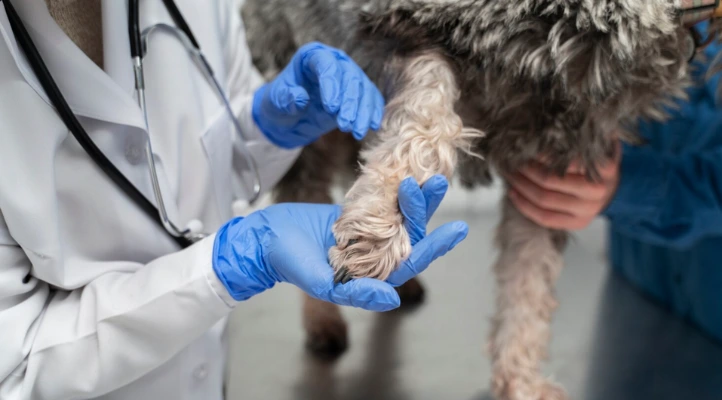
Arthritis in dogs and cats can cause stiff joints, limping, difficulty getting up and reluctance to walk, jump or climb






Arthritis in dogs and cats can cause stiff joints, limping, difficulty getting up and reluctance to walk, jump or climb
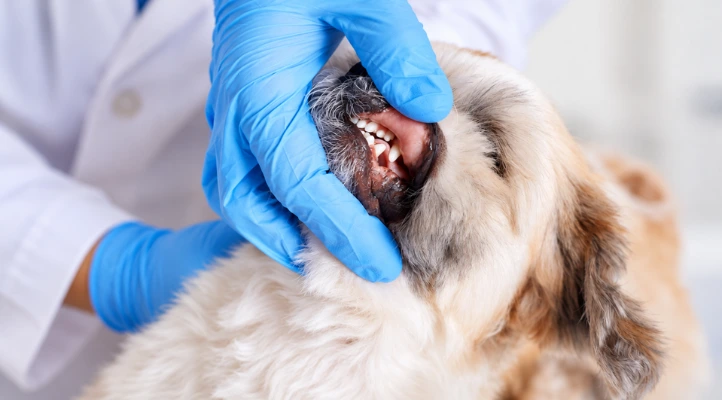
Persistent bad breath in dogs and cats is not normal and can be an early warning sign of dental disease.
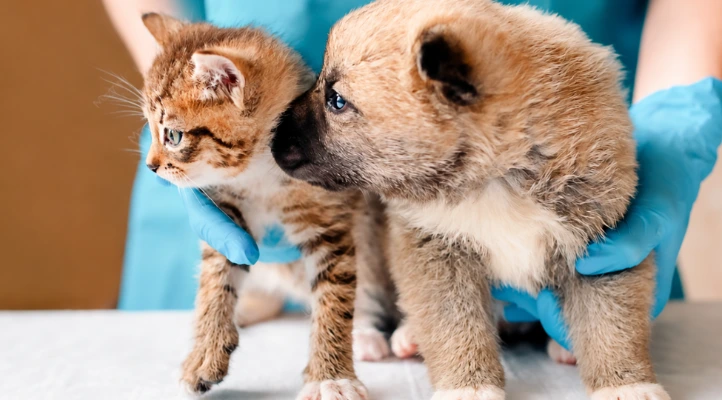
The best time to desex your dog or cat depends on their age, breed, size, sex and health. Cats are
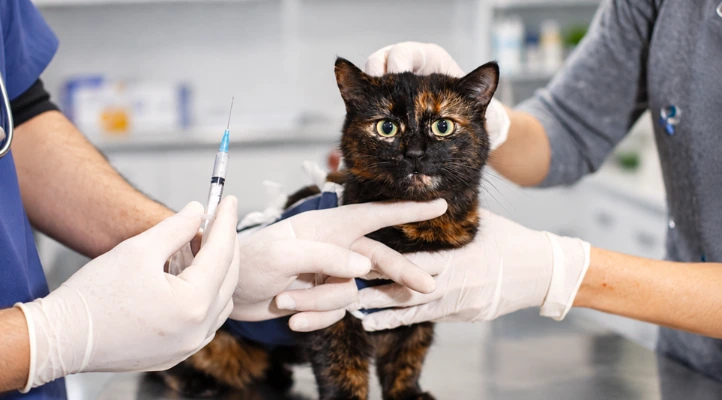
Dogs and cats need core vaccinations to protect against serious infectious diseases throughout their lives. Dogs need protection against parvovirus,
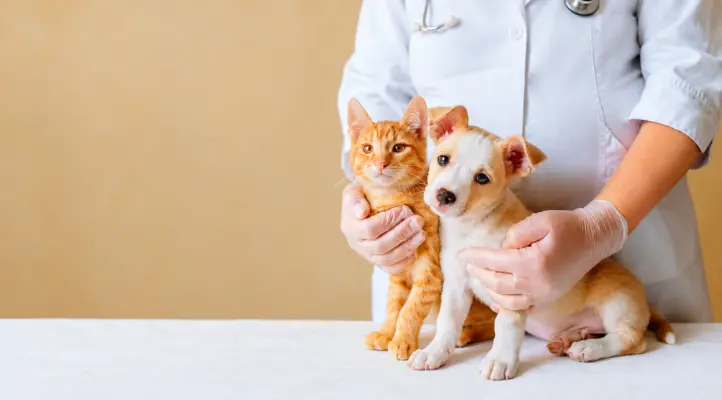
Your puppy or kitten’s first-year care checklist should include an initial health check, vaccinations, good nutrition, parasite prevention, safe socialisation, desexing planning and regular veterinary check-ups. There is no one-size-fits-all plan, so we recommend working with your veterinarian to make sure your puppy or kitten gets the right care as they grow. At Vet Stars, we help families plan these important first-year milestones. From your first visit through to vaccinations, preventative care and desexing, we’re here to help you make informed decisions about your dog or cat’s health.

Chocolate, grapes, sultanas, onions, garlic, xylitol and some other everyday foods can be toxic to dogs and cats. If your dog or cat has eaten something potentially harmful, it is important to seek veterinary advice promptly rather than waiting for symptoms to appear. The level of risk can depend on what was eaten, how much was consumed, your dog or cat’s size, and how long ago it happened.