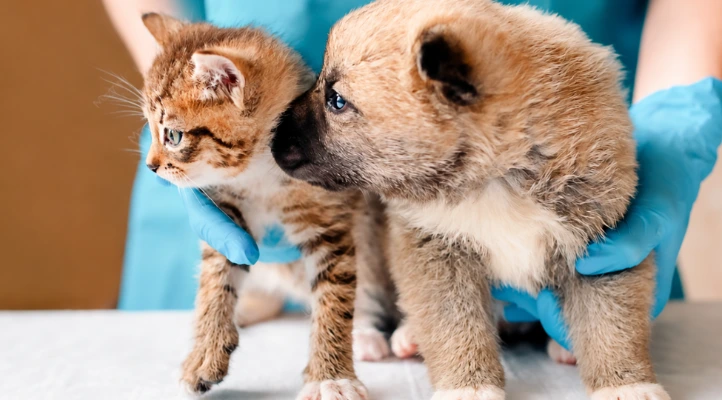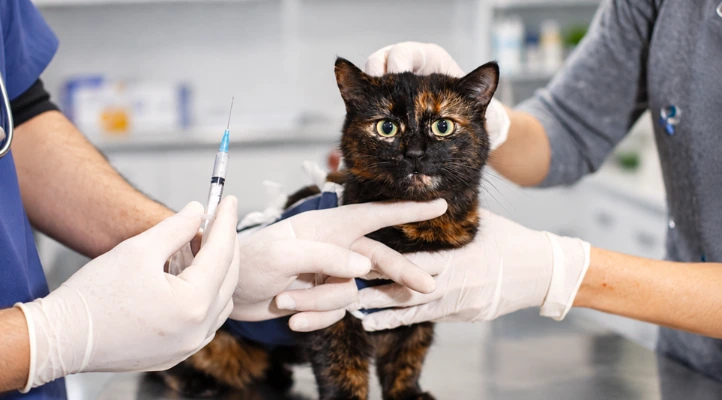
The best time to desex your dog or cat depends on their age, breed, size, sex and health. Cats are generally recommended to be desexed before four months of age, while many dogs may be suitable for desexing around six months. Some larger dog breeds may benefit from waiting until they are more physically mature.
Desexing helps prevent unwanted pregnancies and certain reproductive diseases, but the timing should suit your individual pet. Vet Stars helps pet owners understand the benefits, risks and appropriate timing before booking surgery.
When Is the Best Age to Desex a Dog or Cat?
There is no single desexing age that suits every pet. Cats can become reproductively mature earlier than many owners expect, while dogs develop at different rates depending on their breed and size.
| Pet | General desexing timeline | What owners should consider |
| Female cats | Before 4 months | Helps prevent early pregnancy and unwanted litters. |
| Male cats | Before 4 months | Prevents reproduction and may reduce roaming and urine marking. |
| Small and medium dogs | Often around 6 months, sometimes earlier or later | Timing depends on breed, sex, health and reproductive maturity. |
| Large and giant breed dogs | May be delayed until around 12–18 months or longer | Some breeds may benefit from additional skeletal development before desexing. |
| Adult dogs and cats | Can be considered at any age | A veterinary assessment helps determine suitability and surgical risks. |
These are general guidelines, not fixed surgical deadlines. The Australian Veterinary Association’s desexing guidance recommends considering each animal’s health, weight, vaccination status and individual circumstances.
When Should You Spay or Neuter Your Dog?
The right time to desex your dog depends on more than age. Breed, expected adult size, sex and the risk of accidental mating all influence the decision.
Small and medium breed dogs
Smaller dogs generally reach physical maturity sooner than larger breeds. Desexing around six months may be appropriate for many, although some dogs may benefit from earlier or later surgery.
Your vet will consider your dog’s development and overall health before recommending a date.
Large and giant breed dogs
Larger dogs take longer to reach skeletal maturity. Research suggests that early desexing may be associated with increased risks of certain joint disorders in some breeds.
Your veterinarian may recommend delaying surgery, sometimes until 12–18 months or longer, depending on the breed and individual circumstances. This is not a universal recommendation for all large dogs.
Waiting also means managing the risk of accidental breeding and certain reproductive conditions. The decision should balance both.
Male versus female dogs
Female dogs are spayed to prevent pregnancy and reproductive conditions such as pyometra, a potentially life-threatening uterine infection.
Male dogs are neutered to prevent reproduction and eliminate the risk of testicular cancer when both testicles are removed.
The ideal timing can differ between males and females, even within the same breed.
When Should You Desex Your Kitten?
Cats can become capable of reproducing from approximately four months of age, sometimes before owners notice obvious signs of sexual maturity.
Desexing before puberty is generally recommended for healthy kittens not intended for breeding.
Early desexing helps prevent:
- Unplanned pregnancies and unwanted litters
- Mating-related roaming and fighting
- Urine spraying and other hormone-driven behaviours
- Certain reproductive diseases later in life
Female cats do not need to experience their first heat or have a litter before being desexed.
If your kitten is approaching four months, arrange a veterinary consultation rather than waiting for visible signs of maturity.
What Are the Benefits and Risks of Desexing?
Desexing offers important benefits, but it is still a surgical procedure requiring an individual assessment.
| Potential benefits | Considerations and risks |
| Prevents unwanted pregnancies | Requires general anaesthesia and surgery |
| Prevents pyometra when the uterus is removed | Surgical and anaesthetic complications can occur |
| Eliminates testicular cancer risk when both testicles are removed | Early desexing may affect joint development in some dog breeds |
| May reduce roaming and some hormone-related behaviours | Behavioural improvements are not guaranteed |
| Can reduce certain reproductive cancer risks | Calorie requirements may change after desexing |
Desexing does not automatically fix behavioural problems. Barking, anxiety, aggression and other behaviours may have causes unrelated to reproductive hormones.
Your veterinarian can explain which benefits and risks are most relevant to your dog or cat.
Does Desexing Make Dogs and Cats Gain Weight?
Desexing can change a pet’s energy requirements and appetite, but weight gain is not inevitable.
After surgery, some pets need fewer calories to maintain a healthy body condition. Continuing the same feeding routine without adjusting portions may contribute to gradual weight gain.
To help maintain a healthy weight:
- Review feeding portions with your vet.
- Monitor treats and additional snacks.
- Maintain suitable daily activity.
- Check your pet’s weight and body condition regularly.
If you’re unsure whether your pet is gaining excess weight, our guide to checking your dog or cat’s body condition explains what to look for at home.
What If You Delay Desexing Your Pet in NSW?
Desexing is not generally mandatory under NSW state law, but additional registration-related fees may apply if your dog or cat remains undesexed beyond certain ages.
Under the NSW Pet Registry requirements:
- Cats: Owners of non-desexed cats over four months old generally need to pay an annual permit fee while the cat remains undesexed.
- Dogs: Owners of non-desexed dogs over six months old generally need to pay an additional once-only fee on top of the standard lifetime registration fee.
- Veterinary exemptions: If your veterinarian recommends delaying desexing or advises against it for medical reasons, an exemption from the additional fee may be available.
These requirements apply to eligible pet owners in Ingleburn and surrounding Macarthur suburbs.
If your veterinarian recommends delaying your dog’s desexing for health or developmental reasons, ask about the appropriate documentation before the fee becomes due.
What Happens During Desexing Surgery?
Desexing is performed under general anaesthesia. The procedure differs depending on whether your pet is male or female.
- Spaying: Surgery typically involves removing the ovaries and uterus, or the ovaries alone, depending on the technique.
- Neutering: Surgery generally involves removing the testicles.
Before surgery, your veterinarian will assess your pet’s health and explain the anaesthetic and surgical considerations.
Most pets require restricted activity, wound monitoring and appropriate pain relief during recovery. Your veterinary team will provide instructions specific to your pet.
Common Questions About Pet Desexing
Can an older dog or cat still be desexed?
Yes. Adult and senior pets can be considered for desexing. Their general health, medical history and anaesthetic risks should be assessed before surgery.
Should a female dog have her first heat before being spayed?
Not necessarily. There is no universal requirement for a female dog to experience her first heat before desexing. The best timing depends on breed, size and individual health risks.
Can a female dog or cat be desexed while in heat?
Sometimes, but surgery during heat can involve increased blood supply to reproductive tissues. Your veterinarian may recommend postponing the procedure depending on the circumstances.
Is desexing the same as sterilisation?
Desexing is a form of sterilisation. In Australian veterinary practice, the term usually refers to surgical removal of reproductive organs to prevent breeding.
Book a Pet Desexing Consultation in Ingleburn
Choosing when to desex your dog or cat should be based on their individual needs, not simply reaching a particular age.
At Vet Stars in Ingleburn, our veterinary services include dog and cat desexing. We can assess your pet’s age, breed, health and development, discuss the benefits and risks, and help determine an appropriate time for surgery.
Contact Vet Stars to arrange a desexing consultation and discuss the next steps.