Arthritis in dogs and cats can cause stiff joints, limping, difficulty getting up and reluctance to walk, jump or climb stairs. Also called osteoarthritis, this painful joint condition becomes more common as pets age, although younger animals can develop it too.
While arthritis cannot be cured, veterinary treatment can help manage pain and improve mobility. Treatment may include prescription pain relief, weight management, controlled exercise and supportive therapies.
Our veterinary team can help identify what’s causing your pet’s joint pain or stiffness and recommend the right treatment to improve their comfort and mobility.
What Are the Early Signs of Arthritis in Dogs and Cats?
Arthritis doesn’t always cause obvious limping. You might first notice your dog taking longer to get up or your cat avoiding places they used to jump onto.
Here are some changes worth watching for.
| Arthritis symptom | What you might notice |
| Joint stiffness | Difficulty getting up or moving after resting |
| Limping | Favouring one leg or walking unevenly |
| Reduced activity | Shorter walks, less play or reluctance to exercise |
| Difficulty jumping | Avoiding stairs, furniture or elevated surfaces |
| Behavioural changes | Irritability, withdrawal or discomfort when touched |
| Changes in grooming | Cats struggling to clean certain areas of their body |
How Can You Tell if Your Dog Has Arthritis?
Dogs with arthritis may show changes in their movement and daily activities. Watch for:
- Slowing down or becoming reluctant to go on walks
- Struggling to stand up after resting
- Hesitating when climbing stairs
- Avoiding jumping into the car or onto furniture
- Losing interest in playing or running
These changes aren’t always just part of getting older. If your dog is moving differently, we can examine their joints and check for signs of pain.
How Can You Tell if Your Cat Has Arthritis?
Cats often hide discomfort, making arthritis harder to recognise. Look for:
- Avoiding jumps onto couches, beds or other favourite spots
- Choosing lower or easier-to-reach resting areas
- Struggling to use a high-sided litter tray
- Grooming less frequently or having difficulty reaching certain areas
- Becoming withdrawn or less tolerant of handling
If your cat has changed their usual routine, let us know. Even small changes can help us identify possible joint problems.
Noticed these signs in your dog or cat? Our veterinary team can assess your pet’s joints and mobility and recommend suitable treatment. Book an arthritis assessment at Vet Stars in Ingleburn.
What Causes Arthritis in Dogs and Cats?
Osteoarthritis develops when the tissues within a joint, including cartilage, undergo changes that cause inflammation, pain and reduced movement.
Several factors can increase your pet’s risk:
- Ageing, as joint problems become more common over time
- Previous injuries, including fractures or ligament damage
- Joint conditions, such as hip or elbow dysplasia
- Excess body weight, which adds strain to painful joints
- Breed and genetics, which can influence joint development
Although arthritis is common in senior pets, younger dogs and cats can also develop joint problems following injuries or because of developmental conditions.
How Do We Diagnose Arthritis in Dogs and Cats?
We start by asking what you’ve noticed at home. Is your dog struggling after a walk? Has your cat stopped jumping onto the bed?
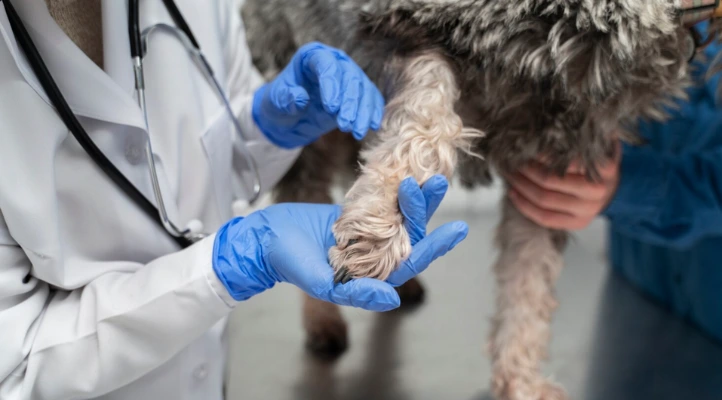
We’ll then examine your pet, assess how they move and check their joints for pain, stiffness or reduced movement.
Depending on what we find, we may recommend:
- A physical examination of the affected joints
- A review of your pet’s walking pattern and muscle condition
- Diagnostic X-rays to investigate joint changes
- Further tests if another condition may be causing the symptoms
Vet Stars has veterinary X-ray facilities to help investigate joint and mobility problems.
X-rays can provide useful information, but they don’t always show how much pain your pet is experiencing. That’s why we consider their behaviour, movement and examination findings together.
If your pet moves differently at home, take a short video. Footage of your dog getting up after resting or your cat attempting a jump can help us assess the problem.
What Arthritis Treatment Options Are Available for Dogs and Cats?
Arthritis treatment isn’t the same for every dog or cat. At Vet Stars, we’ll assess your pet’s pain, mobility and overall health before recommending a management plan.
Depending on their needs, this may include prescription pain relief, weight management, gentle exercise and supportive treatments such as Class IV laser therapy.
Prescription Pain Relief and Anti-Inflammatory Medication
Pain relief is often an important part of managing arthritis.
Depending on your pet’s condition, we may recommend prescription anti-inflammatory medication or other veterinary pain management treatments.
Some pets may also be suitable for injectable arthritis treatments.
We’ll explain the available options, discuss possible side effects and arrange monitoring when needed.
Never give your pet human painkillers without veterinary advice. Medicines such as ibuprofen can be dangerous for dogs and cats, while paracetamol is particularly toxic to cats.
Weight Management to Reduce Joint Strain
Extra weight can make painful joints work harder.
If your dog or cat is overweight, we’ll help you work towards a healthier body condition through suitable feeding and activity changes.
You can also read our guide to checking your dog’s or cat’s body condition to understand what a healthy weight looks like.
Class IV Laser Therapy for Arthritis
At Vet Stars, we offer Class IV laser therapy as a supportive treatment option.
Laser therapy may help some pets manage pain alongside other arthritis treatments.
We’ll discuss whether this treatment is suitable for your pet and how it could fit into their arthritis management plan.
Gentle Exercise and Joint Support
Pets with arthritis still need movement, but the type and amount of exercise matter.
For dogs, shorter and more frequent walks may be easier than long outings. For cats, gentle play and easier access to favourite resting areas can help reduce strain.
We’ll help you find a suitable balance between keeping your pet moving and avoiding activities that worsen their discomfort.
How Can You Make Your Home Easier for a Pet with Arthritis?
A few practical changes can make everyday movement more comfortable for pets with painful joints.
We recommend:
- Providing soft, supportive bedding in an easy-to-reach spot
- Placing non-slip mats on slippery floors
- Using ramps or steps to reduce difficult jumps
- Keeping food and water bowls easily accessible
- Choosing low-entry litter trays for cats
- Maintaining gentle, consistent exercise suited to your pet
If your dog or cat seems uncomfortable during an activity, don’t force them to continue. Let us know so we can review their pain management.
When Should You Book an Arthritis Assessment?
If your pet is regularly stiff, limping, slowing down or avoiding activities they used to enjoy, it’s time to have them checked.
We can assess whether arthritis is causing the problem or if another condition needs attention.
Because osteoarthritis is a long-term condition, ongoing care matters. We’ll review how your pet responds to treatment and adjust their pain management, activity or supportive care when needed.
If your pet suddenly cannot stand, cannot bear weight on a leg or develops severe pain, seek prompt veterinary attention. These signs shouldn’t automatically be put down to arthritis.
Common Questions About Arthritis in Pets
Can arthritis in dogs and cats be cured?
No. Osteoarthritis causes progressive joint changes that cannot currently be reversed. However, appropriate veterinary treatment can help manage pain and improve your pet’s comfort and mobility.
What is the best treatment for arthritis in dogs?
It depends on your dog’s condition. We may recommend prescription pain relief, weight management, controlled exercise or supportive therapies. We’ll assess your dog before deciding which options are appropriate.
Can cats receive arthritis pain medication?
Yes. Veterinary treatments are available for cats with arthritis. We’ll consider your cat’s overall health and medical history before recommending medication.
Should I still walk my dog if they have arthritis?
Usually, yes. Gentle, controlled walks can help maintain muscle strength and mobility. We’ll advise you on suitable exercise based on your dog’s pain and movement.
Book an Arthritis Assessment at Vet Stars in Ingleburn
Is your dog slowing down on walks or your cat struggling to jump? These changes could be signs of arthritis, and we’re here to help.
At Vet Stars in Ingleburn, we’ll assess your pet’s joints and mobility, investigate possible causes of pain and recommend suitable arthritis treatment and ongoing care.
Our clinic on Oxford Road welcomes dogs and cats from Minto, Macquarie Fields, Glenfield, Bardia, Edmondson Park and nearby suburbs.
Get in touch with Vet Stars to book an arthritis assessment and let us help your pet move more comfortably.