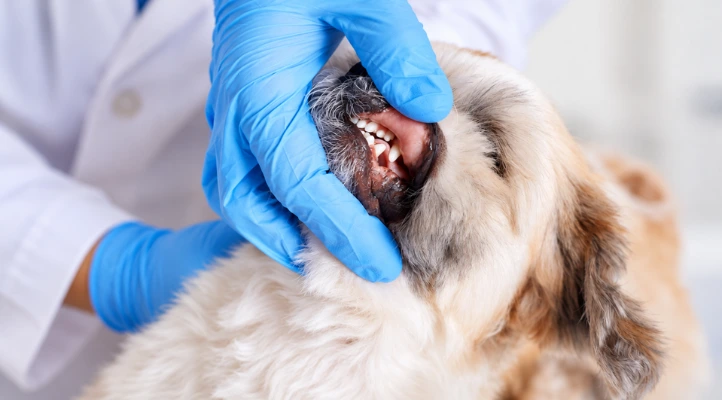
Persistent bad breath in dogs and cats is not normal and can be an early warning sign of dental disease. Plaque and bacteria can build up around the teeth and gums, causing unpleasant mouth odour, inflammation and infection.
Other signs include bleeding gums, visible tartar, difficulty chewing and loose or broken teeth. Pets can continue eating despite dental pain, making problems easy to miss.
At Vet Stars in Ingleburn, we check your pet’s teeth and gums, identify signs of dental disease and recommend the right treatment to keep their mouth healthy and comfortable.
5 Warning Signs Your Dog or Cat May Have Dental Disease
Dental disease can develop gradually, and pets do not always show obvious signs of discomfort. We encourage owners to watch for these five changes, even if their dog or cat seems otherwise healthy.
| Warning signs | What you might notice | What it could mean |
| Persistent bad breath | Strong, unpleasant mouth odour | Plaque buildup, gum inflammation or infection |
| Red or bleeding gums | Swollen gums or blood on chew toys | Gingivitis or periodontal disease |
| Yellow or brown tartar | Hard deposits along the gumline | Plaque that has hardened into dental calculus |
| Difficulty eating | Dropping food, chewing on one side or avoiding hard food | Dental pain, damaged teeth or oral inflammation |
| Loose or broken teeth | Visible tooth damage, movement or missing teeth | Advanced dental disease, trauma or tooth root problems |
1. Persistent Bad Breath
Persistent bad breath in dogs and cats is commonly linked to plaque buildup, gum inflammation or dental infection. If the smell continues despite regular oral care, we recommend having your pet’s mouth examined.
Bad breath, also called halitosis, often develops when odour-producing bacteria accumulate around the teeth and gums.
Although dental disease is a common cause, other oral problems and certain underlying medical conditions can also affect your pet’s breath.
We don’t recommend treating ongoing bad breath as a normal part of owning a dog or cat.
2. Red, Swollen or Bleeding Gums
Red or bleeding gums may indicate gingivitis, an early stage of gum disease caused by plaque accumulating along the gumline.
You might notice swelling around your pet’s teeth or small amounts of blood on chew toys. Healthy gums should not bleed easily.
Without treatment, gingivitis can progress to periodontitis, damaging the tissues and bone supporting the teeth.
If you notice these changes, we recommend booking a dental examination before the problem becomes more advanced.
3. Yellow or Brown Tartar on Teeth
Yellow or brown deposits on your pet’s teeth are usually tartar, also called dental calculus.
Tartar develops when plaque hardens on the tooth surface, particularly near the gumline. Its rough surface allows more plaque to accumulate and can contribute to gum inflammation.
Regular toothbrushing helps remove soft plaque, but it cannot reliably remove hardened tartar.
During a dental examination, we can assess the visible buildup and discuss whether your pet needs professional dental cleaning.
4. Difficulty Chewing or Changes in Eating Habits
Dental pain can affect how your dog or cat eats, even when their appetite seems normal.
You might notice your pet:
- Dropping food while chewing
- Eating on one side of the mouth
- Avoiding dry food or hard treats
- Taking longer to finish meals
- Drooling excessively or pawing at the mouth
Cats can be particularly good at hiding oral discomfort. Some continue eating despite painful dental conditions.
If your pet suddenly refuses food, struggles to chew or appears distressed, contact us promptly for veterinary advice.
5. Loose, Broken or Missing Teeth
Loose or broken permanent teeth can indicate significant dental disease or injury and should be assessed by a veterinarian.
Advanced periodontal disease can damage the tissues supporting a tooth, causing it to loosen. A fractured tooth may expose sensitive internal structures and lead to pain or infection.
We recommend avoiding home attempts to remove loose teeth or treat damaged teeth.
A veterinary dental examination helps us assess the problem and explain whether treatment or extraction may be necessary.
What Causes Dental Disease in Dogs and Cats?
Dental disease usually begins when plaque, a sticky film containing bacteria, accumulates on the teeth.
Without effective plaque control, bacteria can irritate the gums and contribute to damage beneath the gumline.
Two common conditions we assess are:
- Gingivitis: Inflammation of the gums that can often be reversed with appropriate dental treatment and plaque control.
- Periodontitis: More advanced gum disease that damages the tissues and bone supporting the teeth. This damage is generally irreversible, although treatment can help manage further progression.
Age, breed, crowded teeth and oral hygiene can all influence dental health. Small dog breeds may be particularly susceptible to periodontal disease.
We consider these individual factors when assessing your pet’s dental health and recommending treatment.
How Do We Diagnose and Treat Pet Dental Disease?
We begin with a veterinary dental examination to check for visible tartar, gum inflammation, damaged teeth and signs of oral discomfort.
However, some dental problems develop beneath the gumline and cannot be fully assessed while your pet is awake.
Depending on our findings, we may recommend a comprehensive dental assessment and professional cleaning under general anaesthesia.
What Happens During Professional Dental Cleaning?
Professional veterinary dental cleaning removes plaque and tartar from above and below the gumline.
A comprehensive dental procedure generally involves:
- Examining the teeth and gums under general anaesthesia
- Assessing individual teeth and periodontal health
- Removing plaque and tartar through dental scaling
- Polishing the teeth after cleaning
- Treating diseased or damaged teeth when necessary
General anaesthesia allows a thorough oral examination and cleaning while protecting your pet’s comfort and safety.
We do not recommend anaesthesia-free cleaning as a substitute for professional veterinary dental treatment because it cannot adequately address disease beneath the gums.
Why Might Your Pet Need Dental X-Rays?
Dental X-rays can reveal dental problems that are not visible during a routine oral examination.
Dental radiographs help veterinarians assess:
- Bone loss caused by periodontal disease
- Tooth root infections or damage
- Fractures extending beneath the gumline
- Other abnormalities affecting teeth and supporting structures
A tooth may appear relatively healthy above the gumline while having significant disease underneath.
Dental X-rays are an important part of comprehensive veterinary dentistry. We can discuss whether dental radiography is appropriate for your pet and the available options.
How Can You Help Prevent Dental Disease at Home?
Daily toothbrushing is one of the most effective ways to reduce plaque buildup and support your pet’s oral health.
We recommend building a manageable dental care routine that includes:
- Brush your pet’s teeth regularly using a pet toothbrush and toothpaste. Never use human toothpaste.
- Watch for bad breath, bleeding gums, damaged teeth or changes in eating habits.
- Book regular dental check-ups to help us identify problems early and recommend treatment when needed.
- Avoid very hard chews that could damage or fracture your pet’s teeth.
Home dental care can help prevent plaque accumulation, but it cannot reverse advanced periodontal disease or replace professional treatment.
Common Questions About Dog and Cat Dental Health
Is bad breath always a sign of dental disease?
No. Dental disease is a common cause of persistent bad breath, but oral injuries, other mouth conditions and certain underlying illnesses can also cause unpleasant odours. We recommend an examination to identify the cause rather than relying on breath-freshening products alone.
Can my dog or cat have dental pain and still eat normally?
Yes. Many dogs and cats continue eating despite dental discomfort. Some chew differently, eat more slowly or avoid hard food, while others show very few obvious symptoms.
How often should my pet have a dental cleaning?
There is no fixed dental cleaning schedule suitable for every pet. We assess your pet’s oral health, age, breed and individual risk factors before recommending professional cleaning.
Can brushing remove tartar from my pet’s teeth?
Brushing helps remove soft plaque before it hardens, but it cannot reliably remove existing tartar. Hardened deposits generally require professional dental scaling.
Book a Dog or Cat Dental Examination at Vet Stars in Ingleburn
Bad breath, bleeding gums and changes in eating habits may indicate dental disease that needs veterinary attention. Identifying problems early can help prevent ongoing discomfort, infection and tooth loss.
Vet Stars provide veterinary dental care for dogs and cats at our clinic in Ingleburn. We welcome pet owners from Minto, Macquarie Fields, Glenfield, Bardia, Edmondson Park and surrounding Macarthur suburbs.
Our team can examine your pet’s teeth and gums, discuss any concerns and recommend appropriate dental treatment based on their individual needs.
Get in touch with Vet Stars to book a dental check-up for your dog or cat and keep their teeth and gums healthy.